
 Varazdat S.
 Janis Tirtey
The Short Answer
A model who was never photographed
An AI model girl is a fictional woman created with artificial intelligence rather than a real person in front of a camera. She has a face, a body, a style and often a name and a personality, and she is used the way a human model or influencer would be: for fashion and lifestyle photos, brand campaigns, social media accounts and short videos. The terms "virtual model", "AI influencer" and "AI-generated model" describe the same idea.
What makes her a "model" rather than a single picture is that she is reusable. The same character appears in many photos and scenes, so followers and brands can recognise her.
Real Examples
Two virtual models people often cite
- Aitana Lopez is an AI-generated influencer created by The Clueless, a Barcelona-based company that calls itself an "AI modeling agency". Gulf News reported more than 300,000 Instagram followers, and quoted the agency saying virtual models are a more economical alternative to human influencers.
- Lil Miquela is a computer-generated character presented as a "19-year-old Robot living in LA". The same report says a California agency created her in 2016 and lists 2.6 million Instagram and 3.5 million TikTok followers.
Both started as characters designed on purpose, not as a one-off image. For the money side of this, see are AI influencers profitable.
How an AI Model Girl Is Made
Four steps from idea to a reusable character
- Define the concept. Decide the look, style and personality before generating anything.
- Generate base images. Create candidates and pick the one that becomes her face.
- Lock the identity. Save that face as the reference so later images keep it instead of drifting.
- Create content. Generate new photos, outfits and scenes, then motion or talking clips if needed.
Step 3 is the one that separates a character from a pile of random pictures. If you want the detail, read how to keep an AI character consistent across photos and how to create an AI woman.
What to Watch Out For
Disclosure, rights and realism
- Say it is AI. Audiences and platforms expect AI characters to be labelled; some platforms ask for it. See the AI content disclosure rules.
- Use only fictional characters. Do not model a character on a real person without that person's consent.
- Check rights. A Spanish legal article notes that a virtual influencer built entirely with generative AI would not get the copyright protection that human-made work does, so rules for your country matter.
- Expect imperfection. Skin, hands and lighting still need checking before you publish.
Design One Character, Then Generate It Everywhere
Build an AI character with a locked face in the RYLA builder and create its photos, video and talking clips in one workspace.
Start Free TrialBuilding One on RYLA
The actual sequence in the builder
RYLA is built for exactly this: you design a new, fictional character once, and every later image and clip starts from her. This is the actual sequence in the RYLA builder:
- Pick a niche, then gender and style.
- Set the look: ethnicity, age, skin, eyes, face shape, and hair.
- Choose outfit and scene, then personality and a name, then a voice.
- Generate base images and pick the one that becomes your character.
- RYLA generates a reference sheet of that face.
- Finalize, then create new photos in Studio, motion with image-to-video, and talking clips in Avatar Video.
Here is one RYLA character from the showcase on this site, in two different scenes:
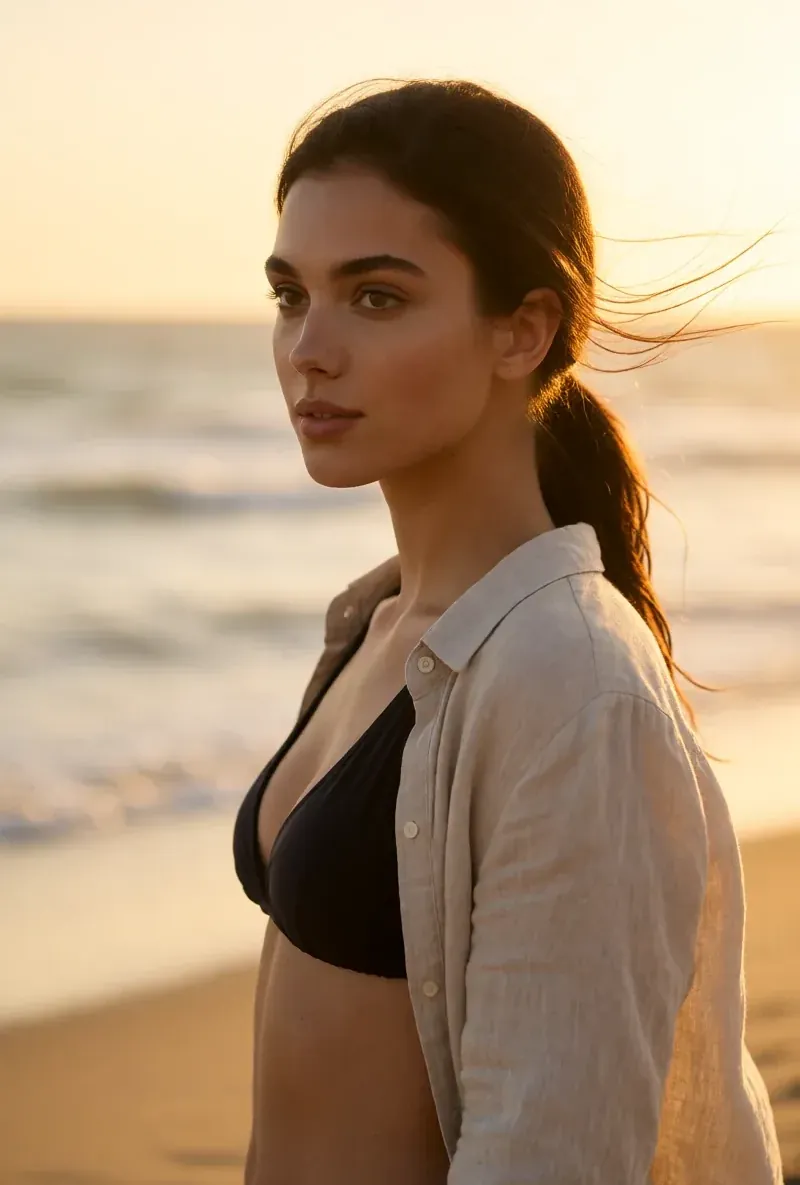
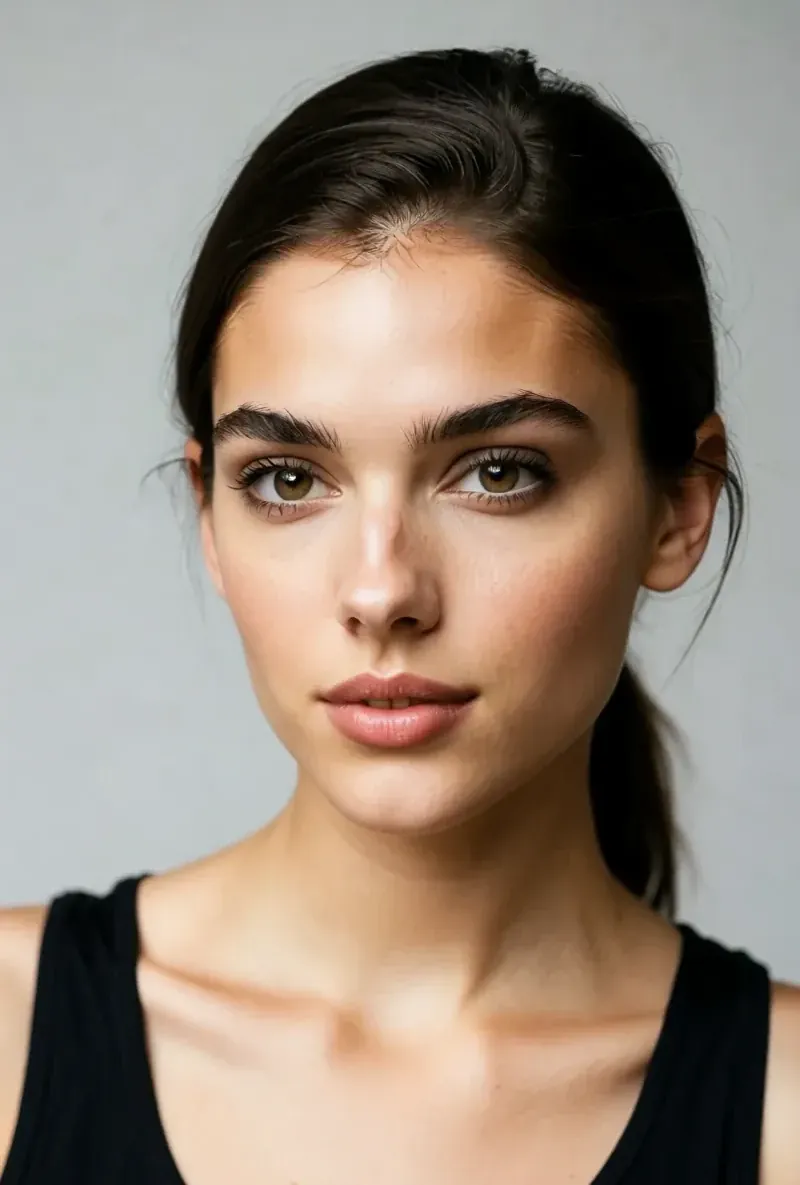
Start with the AI girl generator or the AI woman generator, or read how to create an AI influencer. Plans are on the pricing page.
Sources
Retrieved 2026-10-31
- AI vs humans: How influencers are facing competition from virtual models, Gulf News (read on 31 October 2026)
- Influencers virtuales generados por IA: auge y regulación de un nuevo modelo de negocio, El Derecho (read on 31 October 2026)